When visiting a shooting range many people focus on their shot accuracy and technique. One important thing can be missed: hearing protection. Noise, from guns can cause even permanent hearing loss. This risk is higher because the sounds from shooting are very loud. For those who go to the range often knowing about hearing protection is important-not to follow the rules but to stay healthy and enjoy the activity.
Types of Hearing Protection: Earplugs vs. Earmuffs
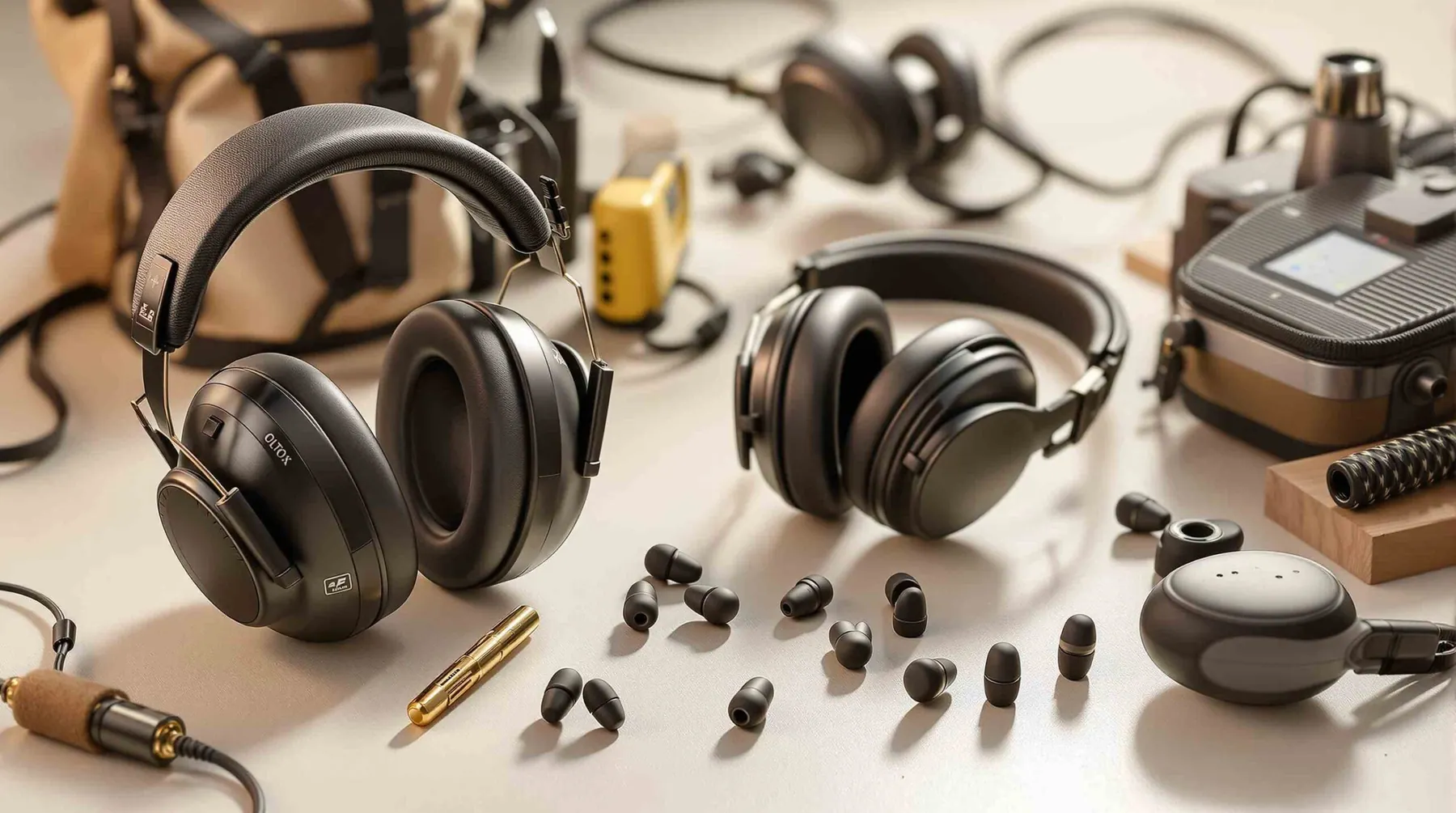
Picking the hearing protection often depends on what you like and what you need. Earplugs go inside the ear canal. Are a choice. They are light, easy to carry and help reduce noise.. Not all earplugs are the same. Foam earplugs offer protection. Might not be enough for very loud places unless they are rated properly. For example good foam earplugs can lower noise by 30 decibels. If you are at a place where the sound from guns is 140 decibels, that level of protection is still not enough. Custom-molded earplugs fit your ears better. Offer protection, which is great for people who shoot often.
Earmuffs are another choice. They cover the ears. Have a number that shows how well they work. This number can vary. Some earmuffs can reduce noise by 25 to 34 decibels. They are helpful for people who wear glasses or use gear like communication devices. Some earmuffs even have parts that let you hear commands while blocking sounds. This is useful in competitions or training where you need to hear instructions. Choosing between earplugs and earmuffs depends on comfort what gear you use and how loud the place is.
Understanding Noise Exposure Limits
At a shooting range the sound from guns can be over 140 decibels, which's much higher than what can hurt your ears. The Occupational Safety and Health Administration says that being around noise over 85 decibels for long can cause hearing loss. For shooters this means that a few shots without protection in a place can cause long-term problems. Think about how a few shots can add up when you are lining up for a target.
Knowing how long you can be around sounds is important. For example a loud noise might not seem bad. Repeated exposure can hurt your ears. The rule is that for every 3 decibels more the time you can be around it is cut in half. So if you are in a place that has 140 decibels the safe time is very short without protection. If you are shooting for a time take breaks from the noise. Use proper protection. Always think about how you're exposed and how loud the sound is when you go to the range.
How to Fit Hearing Protection Properly
Even the best hearing protection won't work if it is not put on right. For earplugs make sure they go enough into the ear canal to make a seal. A simple way is to pull the ear with one hand and push the plug in with the other. Earmuffs should fit snugly. Not have gaps. If they feel loose or too tight they might not work well. Common mistakes include putting earplugs in loosely or not adjusting the earmuffs properly which makes them less effective. Testing the fit can be as easy as putting your hands over your ears. If you still hear a lot you need to adjust your protection.
If you are new to shooting asking others for help is an idea. Experienced shooters or staff at the range can help you choose the protection and show you how to fit it. Don't be shy to ask. Often people who shoot a lot are happy to share what they know. Remember the goal is to get the protection without making it uncomfortable or hard to use.
The Consequences of Skipping Hearing Protection
Some shooters think they don't need hearing protection for a time or that their ears can handle the noise. This thinking can cause problems later. Temporary hearing loss or the feeling of not hearing after sounds is a sign that something might be wrong. It is important to know that this problem can get worse if not taken seriously. Repeated exposure without protection can cause lasting hearing loss. This is something that can be avoided if you use the protection.
Also not using hearing protection can make the experience worse. Hearing loss can stop you from hearing instructions or warnings which could be dangerous. This is especially important in training or competitions where not hearing can be a problem. Taking care of your hearing means enjoying shooting for a time.
Choosing the Right Equipment for the Range
In addition to hearing protection using the gear at the range can help you have a time. Use shooting glasses with your hearing protection to protect your eyes from flying pieces or accidents. This is very important in places where many people are shooting. Many ranges have rules about the type of guns and bullets allowed so check before you go. Each piece of gear helps make the experience safer and better.
Check your gear often. Make sure it is safe to use. Look for signs of damage on your hearing protection. Replace it if needed. Encourage others to do the same. Sharing your knowledge helps create an environment. All the shooting community is about people working and making sure everyone is safe helps everyone.
In conclusion using the right hearing protection is a part of being safe and enjoying shooting. Taking time to learn about the choices the risks of noise and how to fit the protection right will help protect your hearing and make your time at the range better. Make it a habit to choose the protection learn more, about it and shoot in a way.

Comments