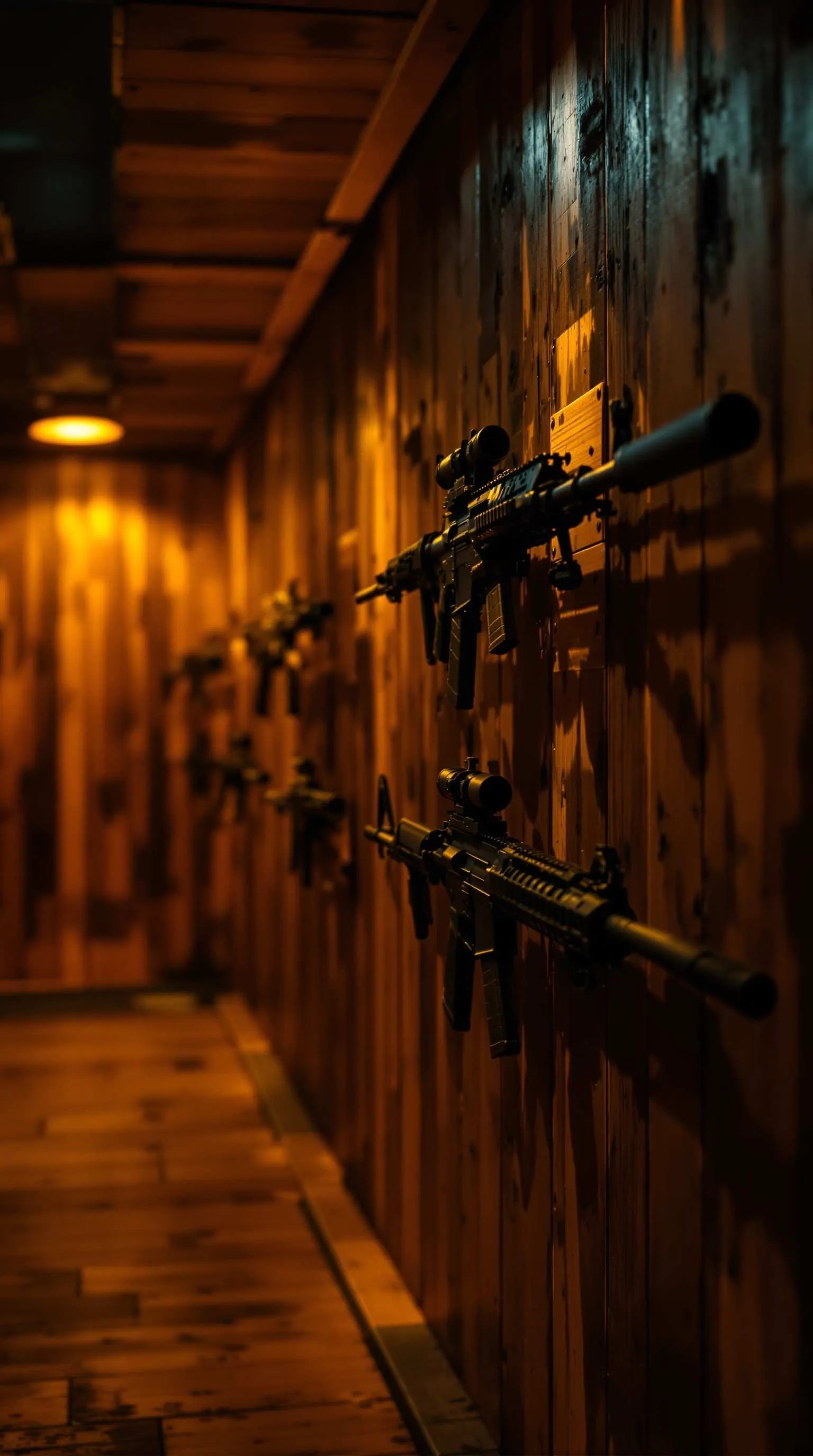

Welcome to Arrowhead Gun Club
Tradition.
Precision.
Community.
A welcoming destination for shooting sports enthusiasts of every experience level — where heritage meets modern excellence in the heart of the Pacific Northwest.
About Us
A Legacy of Excellence in Shooting Sports
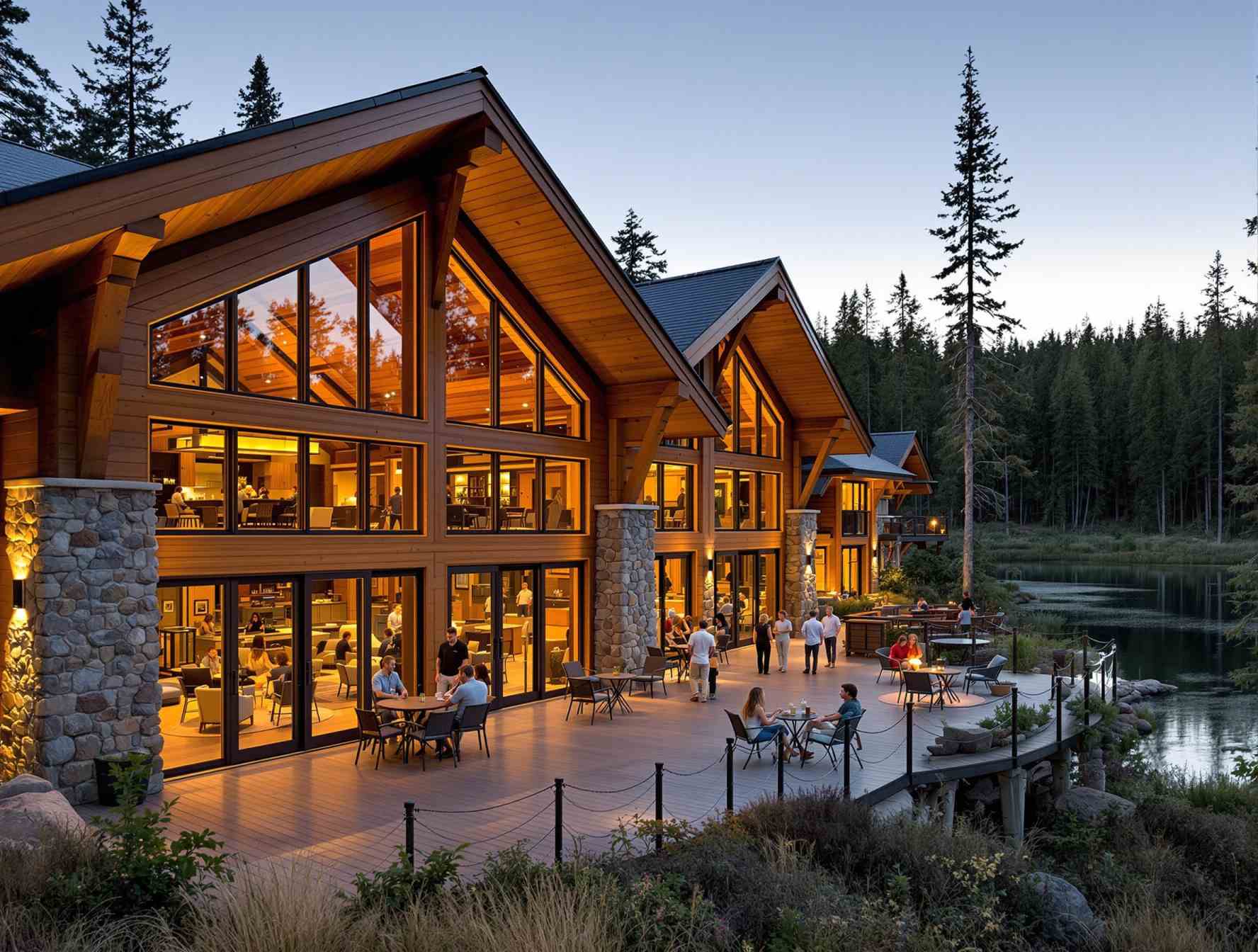
Founded in 1972, Arrowhead Gun Club has grown from a small gathering of sportsmen into one of the Pacific Northwest's premier shooting sports destinations. Set across 340 acres of pristine forest with mountain views and natural lakes, our club offers world-class facilities for rifle, pistol, and shotgun disciplines.
Our mission is simple: to provide a safe, welcoming, and professionally maintained environment where shooters of all ages and abilities can develop their skills, compete with honor, and build lasting friendships. We believe that responsible firearm ownership and conservation go hand in hand.
From our certified instructors to our meticulously maintained ranges, every aspect of Arrowhead reflects our commitment to excellence. Whether you're training for competition, introducing your family to shooting sports, or simply enjoying a day outdoors, you belong here.
What We Offer
Featured Disciplines
Six distinct shooting sports disciplines, each with dedicated facilities and expert instruction for every skill level.
Rifle Shooting
Precision rifle ranges from 50 to 600 yards with covered shooting positions, electronic target systems, and dedicated benches for every skill level.
Pistol Shooting
State-of-the-art pistol bays with steel targets, paper target systems, and separate lanes for slow-fire precision and dynamic action shooting.
Trap Shooting
Regulation trap fields with automatic throwers, voice-activated release systems, and variable-angle presentations for all experience levels.
Skeet Shooting
Full international skeet layout with high and low houses, eight shooting stations, and competition-grade target presentations.
Sporting Clays
A scenic 14-station sporting clays course winding through forest and meadow, simulating diverse hunting scenarios with varied target presentations.
Youth Programs
Dedicated youth shooting education including safety training, basic marksmanship, competitive team opportunities, and summer camps.
Membership Benefits
Why Join Arrowhead
More than a shooting range — a community built on safety, education, and shared passion for the outdoors.
Professional Facilities
Modern ranges maintained to the highest standards with electronic scoring, covered stations, and comfortable spectator areas.
Certified Instructors
NRA-certified and nationally recognized instructors with decades of combined teaching experience across all disciplines.
Safe Environment
Uncompromising safety culture with certified range safety officers present during all operating hours and mandatory safety orientations.
Family Friendly
Programs for all ages with family memberships, youth leagues, women's clinics, and social events that bring the community together.
Competitive Events
Regular matches, league competitions, and sanctioned tournaments across all disciplines for every skill level.
Beautiful Outdoor Location
Nestled in 340 acres of pristine Pacific Northwest forest with mountain views, lakes, and abundant wildlife.
Gear & Technology
Precision Optics
World-class glass from the industry's finest manufacturers, available for member use across every range and shooting discipline.
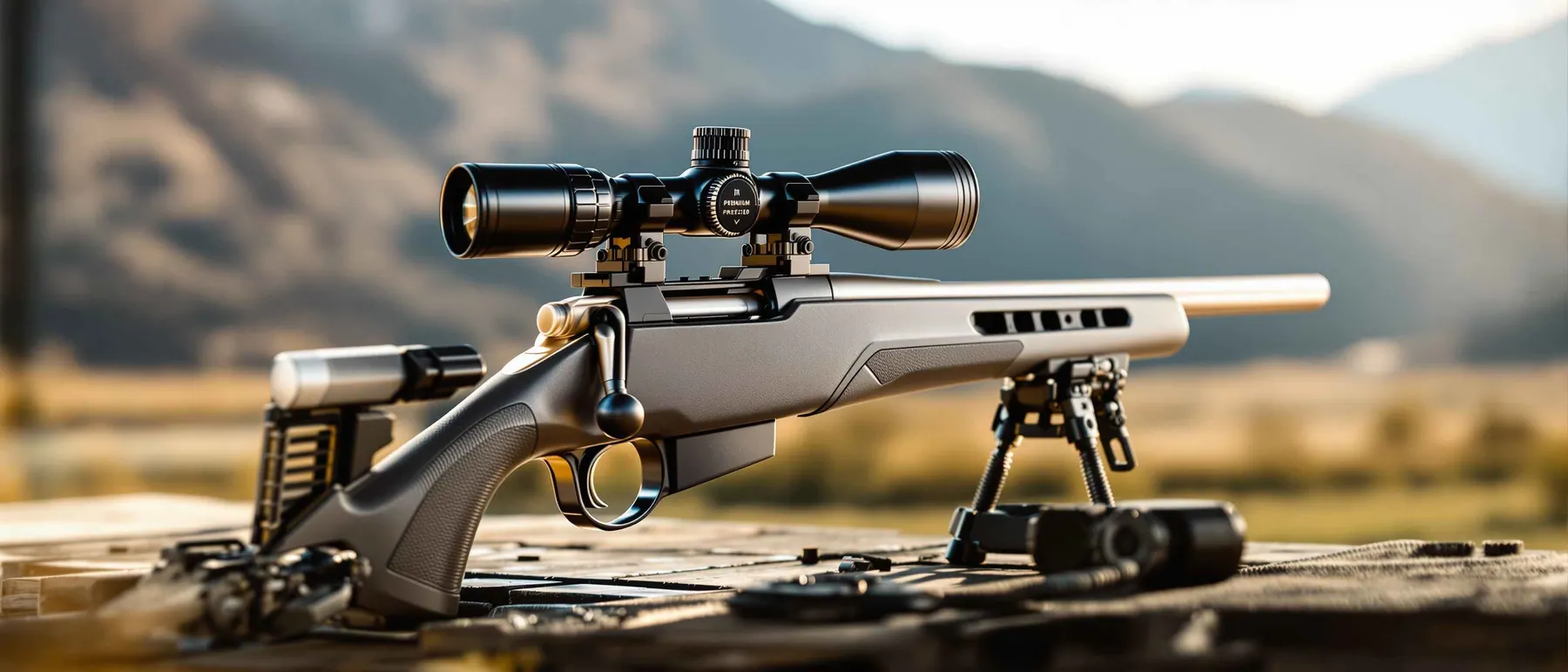
Try Premium Optics Before You Invest
Our demo fleet lets members test scopes, red dots, binoculars, and rangefinders on the range before making a purchase decision. Expert staff available for guidance.
Precision Rifle Scopes
First-focal-plane optics from Leupold, Vortex, and Nightforce ranging from 4-16x to 5-25x magnification. Available for member checkout at the precision rifle range with professional mounting and bore-sighting assistance.
Spotting Scopes
High-definition 20-60x spotting scopes at every rifle station with angled eyepieces, ED glass, and reticle-equipped models for competition training and shot calling.
Red Dot & Holographic Sights
A curated selection of Trijicon RMR, Aimpoint T-2, and EOTech holographic sights for pistol and carbine ranges. Try before you buy with our demo program.
Rangefinding Binoculars
Laser rangefinding binoculars from Leica and Swarovski with ballistic calculators and Bluetooth connectivity for long-range precision shooting beyond 600 yards.
Trusted Optics Partners
Advanced Technology
Night Vision & Thermal
Cutting-edge night vision and thermal imaging equipment for low-light training, nocturnal wildlife observation, and all-weather operational capability.
Night Vision Monoculars
Gen 3 white phosphor PVS-14 monoculars with helmet-mount compatibility. Available for low-light training sessions and nocturnal wildlife observation events.
Thermal Imaging Scopes
Cutting-edge thermal optics from Pulsar and Trijicon with 640x480 resolution, 12-micron sensors, and onboard recording. Ideal for long-range detection and all-weather capability.
Handheld Thermal Monoculars
Compact thermal scanners for field use — detect heat signatures at ranges up to 1,800 yards. Perfect for ranging, spotting, and search-and-rescue training exercises.
Clip-On Night Vision
In-line night vision attachments that mount in front of your existing day scope without losing zero. COTI thermal overlays for dual-spectrum situational awareness.

Experience the Night Like Never Before
Join our monthly low-light training sessions. Members get access to club-owned NVG and thermal equipment at no extra charge. No experience required — our instructors will guide you every step of the way.
Calendar
Upcoming Events
Summer Trap League Championship
The season finale of our summer trap league. Open to all members. Prizes for top shooters in each class.
Youth Rifle Clinic
Introduction to precision rifle shooting for young shooters aged 12-17. Equipment provided. Parent attendance required.
Charity Sporting Clays Fundraiser
Annual charity event benefiting wildlife conservation. 100-target course, BBQ lunch included, raffle prizes.
Women's Introduction to Firearms
A supportive, women-only introductory course covering firearm safety, fundamentals, and range time with pistol and rifle.
Stay Informed
Latest Club News

Summer Competition Series Draws Record Attendance
This summer saw our largest turnout ever with over 200 competitors across rifle, pistol, and shotgun disciplines over the three-month series.
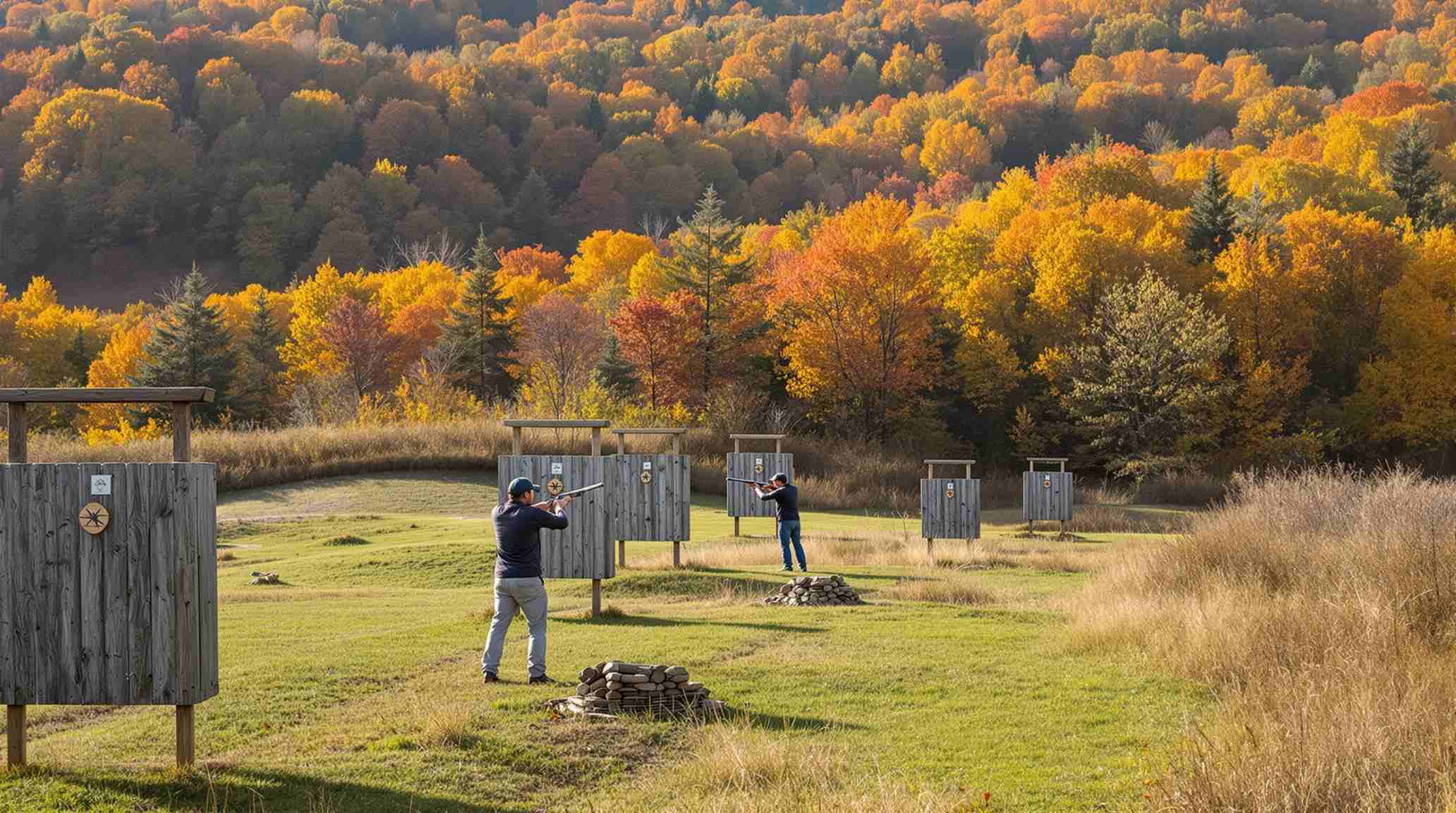
New Sporting Clays Course Now Open for Members
After months of careful design and construction, our expanded 14-station sporting clays course is complete, offering challenging new presentations through diverse terrain.

Arrowhead Partners with Northwest Conservation Trust
We are proud to announce a new long-term partnership dedicated to preserving wildlife habitat, restoring native ecosystems, and promoting responsible land stewardship.
Testimonials
What Our Members Say
Arrowhead Gun Club has been our family's weekend tradition for three years now. The youth programs gave my daughter confidence and discipline I never expected from a shooting sport. The instructors are patient, knowledgeable, and genuinely care about every member's growth.